Our Expert’s Guide to Treehouses Care and Longevity
A well designed and properly maintained treehouse can last for decades. Treehouses are rather like cars: the better you look after them, the longer they last. The materials, the construction, the detailing and the maintenance all play a part, and some components will naturally need replacing before others.
Roofing
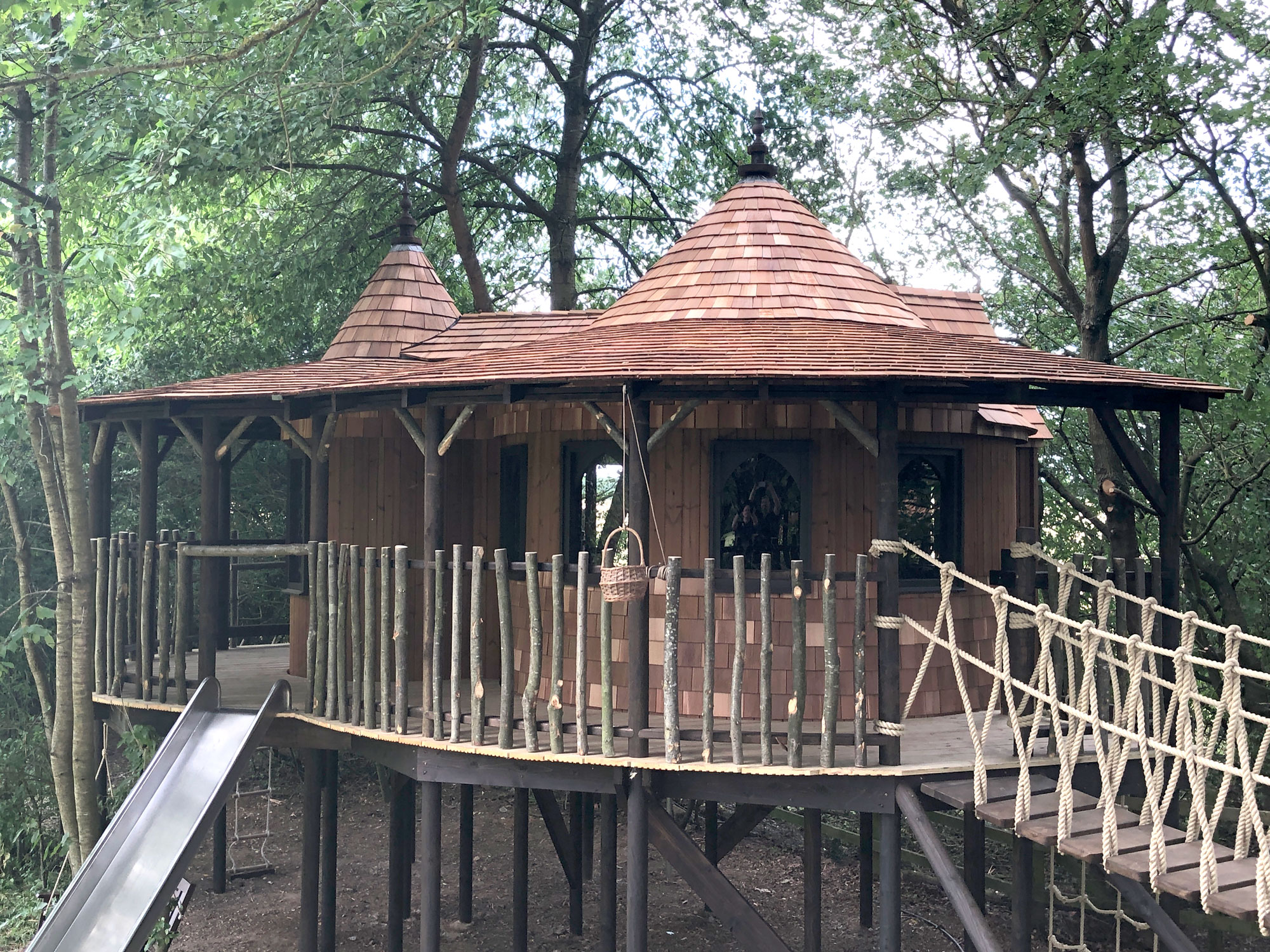
Cedar shingles are an excellent roofing material for a treehouse. They look right in a woodland setting and, properly installed and maintained, give many years of service. Some treated cedar roofing products come with guarantees of up to 30 years.
Where timber meets the ground
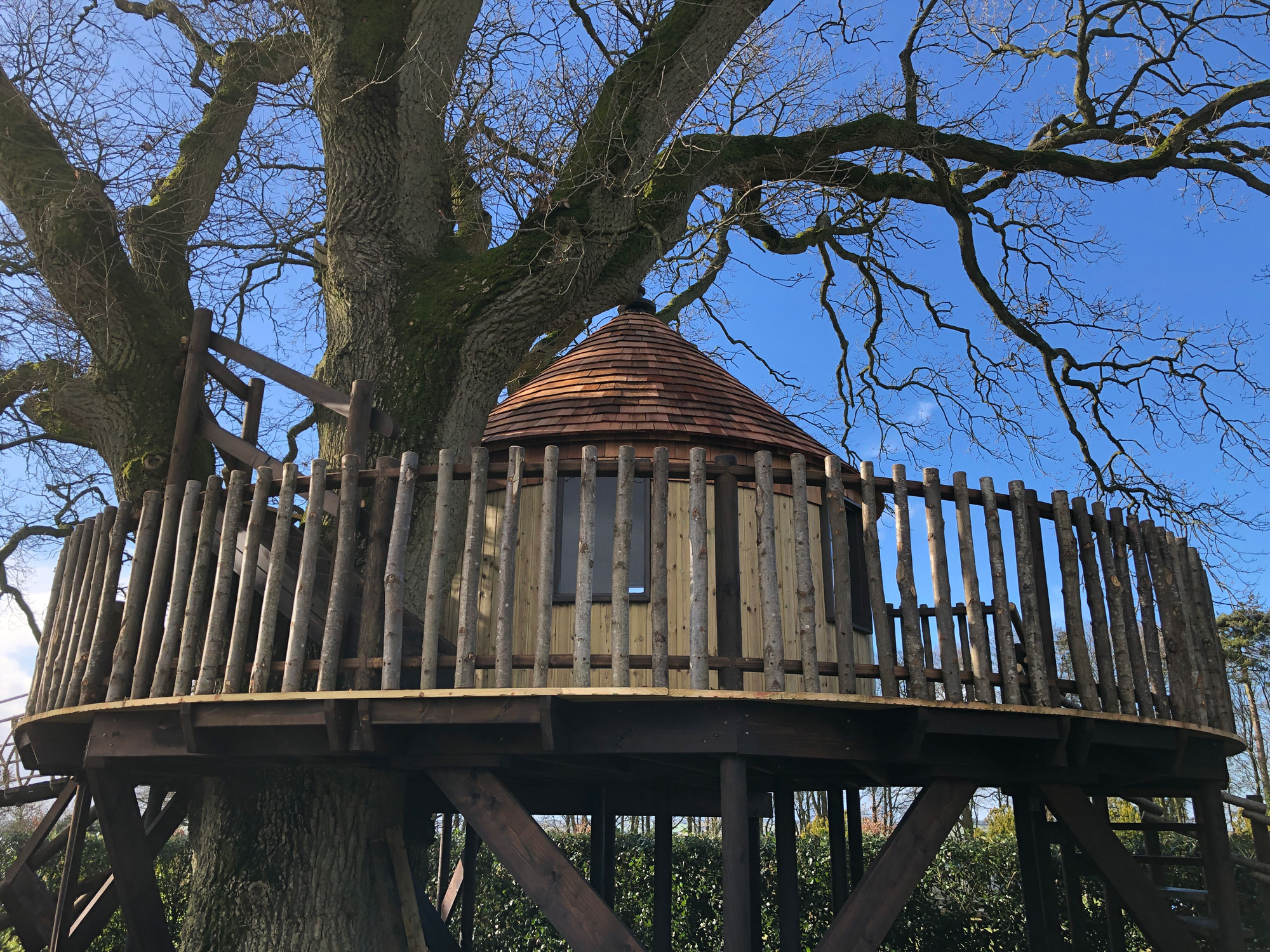
The point where a support post meets the ground needs particular attention. Water can collect around the base of a timber post and create the conditions for rot. Good detailing is essential here. The structure should be designed so water is shed away from the timber rather than left sitting against it. Good quality timber, the right detailing and regular inspection can extend the life of the supporting structure considerably.
Fixings and braces
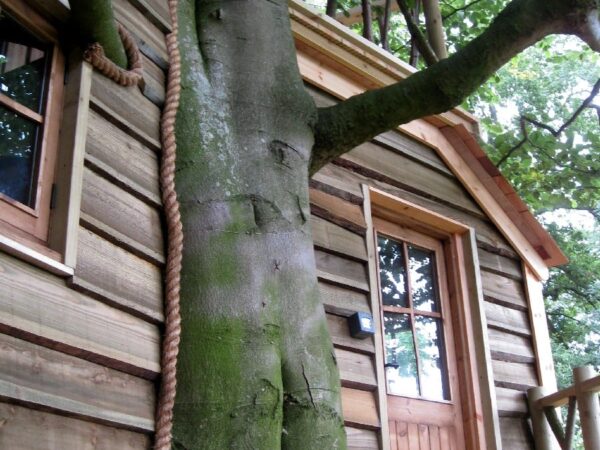
The parts of the structure connected to the trees should be inspected regularly. Trees move in the wind, and that movement puts forces on the braces and fixings. Regular checks mean any wear or movement is spotted before it becomes a problem.
Maintenance is not a sign of a poorly built treehouse. It is simply part of owning a structure that lives among trees.
The long view
There are historic examples of remarkably long lived treehouses. The treehouse at Pitchford Hall in Shropshire is widely described as the oldest surviving treehouse in the world and is believed to date from the 1690s. With sensible design, good materials and proper care, a treehouse can be part of a garden for a very long time.